How Pie Cafe Colorado Springs Captures the Taste of Home
@tysonrfck538
November 24, 2026 · 15 min read

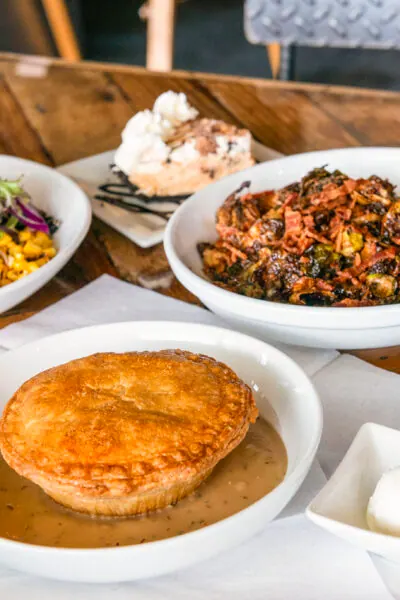
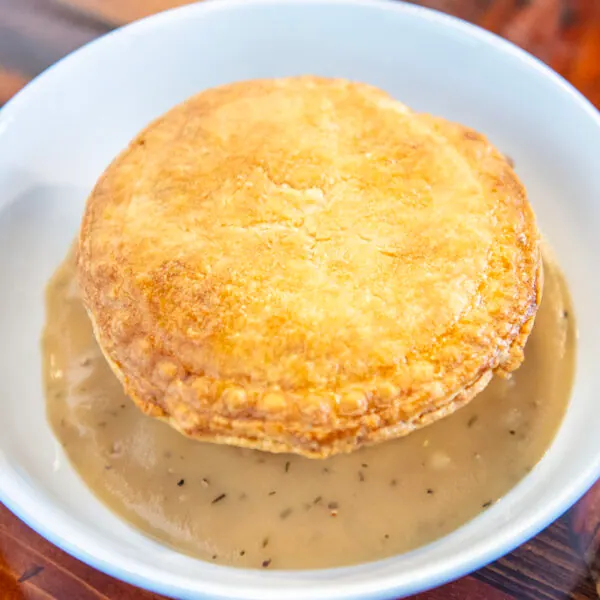
There is a particular kind of comfort that only pie delivers. It is not flashy comfort, and it does not depend on novelty. Pie works on memory. One bite can pull up a kitchen from twenty years ago, a church supper, a holiday table, a roadside diner after a long drive, or a grandmother’s habit of setting dough to rest under a clean towel while coffee brewed nearby. That is why a place centered on pie carries more emotional weight than many other cafés. It is not simply selling dessert or lunch. It is serving a food that people already connect to family, ritual, and familiarity.
That is also what makes a strong pie shop difficult to fake. If a café wants to feel like home, the feeling has to come through in the crust, the filling, the room, the pacing, and the kind of care that guests can sense even before they can name it. When people talk about pie cafe colorado springs, what they are often really describing is that rare experience of being fed in a way that feels personal, steady, and recognizable.
Home is a flavor before it is a feeling
Most people describe home cooking as if it were a mood, but in practice it is a set of details. The crust is not just flaky, it has enough salt to keep the sweetness in check. Fruit fillings are not syrupy or loud, they taste like the fruit itself, concentrated by heat and held together just enough to slice cleanly. Savory pies smell rich before they ever hit the table. Even coffee matters, because coffee is often the bridge between bakery and memory.
A pie café that captures the taste of home understands that comfort comes from restraint. Bakers with experience know there is a temptation to overbuild a pie, especially in a market that rewards oversized slices and dramatic presentation. Extra sugar, heavy glazes, towering meringue, too much cinnamon, too much nutmeg, too many mix-ins, all of it can make a pie feel less like something from a family table and more like a display case stunt. Home-style pie rarely shouts. It lands softly and lingers.
That balance is especially important in a place like Colorado Springs, where customers are not all looking for the same thing. Some want the nostalgia of Midwestern fruit pies. Some grew up in the South and look for chess, pecan, or buttermilk pie done properly. Others want a savory hand pie or a hearty slice that can pass for lunch. A café that earns loyalty learns how to serve these different expectations without losing its identity.
The crust tells the truth
Anyone with baking experience will say the same thing, sooner or later: crust exposes the baker. Filling can distract. Whipped cream can charm. A beautiful crimped edge can create a good first impression. But crust is where the standards show.
Good crust should taste like something on its own. That sounds obvious, yet plenty of pastry is treated as a neutral vehicle, almost an edible plate. In a café that truly captures the feeling of home, the crust has character. It might be tender and buttery, or slightly sturdier and old-fashioned, but it is intentional. It should not shatter into dust on contact, nor should it drag under the fork with a gummy chew. It should support the filling and still offer a distinct bite.
The reason this matters goes beyond technique. For many people, crust is the first sensory checkpoint against memory. If it tastes factory-made, too uniform, too bland, the illusion breaks. Home pie usually has small irregularities. The edge browns a little more on one side. The bottom crust might soak just enough under a juicy apple filling to become deeply flavorful instead of crisp. The lattice is hand-laid, not machine-perfect. These are not flaws in a café setting when the product is otherwise well made. They are signs of life.
At elevation, that work becomes even more delicate. Baking in Colorado brings its own complications, especially with moisture loss and timing. Fruit fillings can tighten quickly. Custards need careful handling. Dough can move differently than it would at sea level. A dependable pie café in Colorado Springs has to know how to adjust, not just how to follow a recipe. That kind of judgment is what separates a pleasant bakery item from a pie people drive across town to get.
The filling has to taste like its name
This sounds like a low bar. It is not.
Apple pie should taste clearly of apple, not mainly cinnamon and sugar. Cherry pie should keep some sharpness. Peach pie should taste sun-ripe, not canned into submission. Coconut cream should deliver actual coconut flavor and not disappear into generic sweetness. Chicken pot pie should taste like chicken stock, roasted vegetables, and pepper, not just thickened cream.
When people say a slice tastes homemade, they are usually responding to this kind of clarity. Home bakers, at their best, cook from instinct and memory. They know when the apples need lemon because the batch runs sweet. They know when blackberries need more thickener because the fruit is especially juicy. They know that a savory filling cannot hide behind pastry, because once the crust breaks, the spoonful has to justify itself.
In a pie-centered café, those judgments create trust. Guests may come in for a classic flavor they know, but they stay loyal because each pie feels like it was made by someone who respects the ingredients. That respect shows up in texture as much as taste. Fruit should not dissolve into jam unless the pie style calls for it. Cream pies should be cool and smooth, not stiff or chalky. Savory fillings should be rich enough to satisfy and light enough that the second half of the slice still tastes appealing.
The strongest pie shops also understand the role of seasoning. Many inexperienced bakers under-season sweet pies and over-season savory ones. The result is flatness on one side and fatigue on the other. Home-style baking has more nuance. A pinch of salt in a fruit pie makes the fruit brighter. Black pepper in a chicken or beef pie adds backbone. Acidity, whether from citrus, vinegar, or tart fruit, keeps richness from turning heavy. These are small choices, but they create the difference between “that was nice” and “that tasted like something my family would have made.”
A café can feel domestic without feeling dated
Atmosphere matters, but not in the obvious way. Plenty of restaurants try to signal coziness with mismatched chairs, reclaimed wood, vintage signs, and sentimental wall décor. Sometimes it works. Sometimes it feels assembled rather than lived-in. A pie café that really evokes home does not need to overplay the theme.
The better approach is usually more practical. Warm lighting helps. Tables should be close enough to create energy but not so tight that people feel rushed. The case should be easy to read without becoming a theatrical display. Guests should smell baking, coffee, butter, and spice in believable proportion. Cleanliness should be visible but not sterile. Staff should talk to regulars like regulars, and first-timers like they expect them to become regulars.
There is also a rhythm to places that feel welcoming. At home, good meals are rarely performative. They arrive at a humane pace. Someone notices when your coffee is low. A slice gets served on a real plate with a fork that feels like it belongs there. If whipped cream is offered, it should seem like a natural extension of the pie, not an upsell gimmick.
What people often remember from a favorite café is not one dramatic gesture but a collection of ordinary courtesies. Someone warmed the slice when it made sense. Someone knew that a fruit pie with ice cream needed to move quickly. Someone boxed the extra piece carefully so the meringue would survive the drive home. Hospitality at that level is what turns a food business into a neighborhood place.
Why pie works so well in Colorado Springs
Colorado Springs has the kind of pace that makes pie relevant. It is large enough to support serious local food culture and small enough that neighborhood loyalty still matters. It has military families, long-time locals, transplants from every region, tourists passing through, and outdoor workers who want a lunch that feels substantial. That mix creates an appetite for food that is recognizable and satisfying.
Pie meets that need from several angles at once. It can be celebratory without being expensive in spirit. It can be casual enough for a weekday and special enough for a birthday. A café built around pie can serve someone who wants a quick coffee and a slice, a family looking for a shared dessert, or a customer picking up a whole pie for a holiday table. Few foods move that easily between impulse purchase and tradition.
There is also a seasonal logic to pie that fits Colorado well. In colder months, people naturally lean toward baked fruit, spice, toasted nuts, and savory fillings that feel warming. In spring and summer, lighter cream pies and brighter fruit fillings come forward. A good pie café works with that rhythm rather than resisting it. Seasonal rotation keeps the menu alive, but the standards remain. That blend of familiarity and variation is one reason customers keep coming back.
The menu needs discipline
One of the easiest mistakes in a specialty café is trying to be too many things at once. When a shop centers pie but begins to chase every bakery trend, quality usually slips. Laminated pastries need one kind of labor. Layer cakes need another. Full breakfast service, custom celebration desserts, broad lunch menus, and an ambitious drink program can stretch a kitchen thin. Pie suffers first because people assume it is simple.
It is not simple. It is repetitive, exacting, and labor-heavy in a quiet way. Dough needs rest. Fillings need time to cool. Cream components need careful storage. Savory pies need the kind of prep that rewards organization and punishes haste. A café that keeps the menu focused often ends up feeling more generous, not less, because the items it does offer are dialed in.
The strongest pie operations usually get a few things right at once:
- They know their core pies and rarely compromise on them.
- They rotate seasonally without abandoning the classics customers count on.
- They balance sweet and savory so the café works beyond dessert hours.
- They train staff to describe flavors honestly instead of overselling.
- They protect consistency, especially during holidays and rush periods.
Those choices sound managerial, but customers feel them immediately. A short, confident menu is often more comforting than a long, scattered one. Home cooking, after all, is not about infinite options. It is about reliable favorites made well.
Savory pie is often where loyalty begins
Sweet pies get the attention, and for good reason. They photograph well, travel well, and carry the emotional charge of holidays and family celebrations. But in many cafés, savory pie is what creates regulars.
That is because savory pie can become part of daily life. A person may order cherry pie for a birthday or Thanksgiving, but they might come every week for a hand pie, a slice of pot pie, or a savory special that feels like a proper meal. In practical terms, savory offerings turn a pie café from an occasional treat stop into a genuine lunch spot.
There is craft involved here, too. Savory fillings have to stay moist without becoming loose. Potatoes need to hold shape. Meat should taste seasoned all the way through, not merely coated in gravy. Vegetables need enough bite to avoid turning mushy inside the pastry. Cheese, if used, should support the filling instead of dominating it. A well-made savory pie gives satisfaction in a different register than sweet pie. It should feel nourishing first, indulgent second.
For many guests, that is where the idea of home becomes strongest. Dessert may trigger nostalgia, but savory pie suggests care, provision, and the kind of meal someone made to feed people well. In a place like pie cafe colorado springs, a memorable savory selection can anchor the entire identity of the shop.
The emotional math of a slice of pie
People do not only evaluate food by price, portion, and flavor, though those matter. They also judge whether a place feels worth returning to emotionally. Pie has an advantage here because it is already tied to generosity. A good slice looks abundant without being absurd. It feels thoughtful. It invites lingering.
That matters in an era when many dining experiences feel optimized rather than hospitable. There is a difference between efficiency and comfort. A pie café can be efficient and still make room for a guest to sit with coffee, talk to a friend, read for a while, or take a boxed slice home to someone else. That last detail is not trivial. Pie travels through relationships. It gets brought to neighbors, coworkers, grieving families, new parents, holiday hosts, and anyone who needs a little practical kindness.
The businesses that understand this tend to frame pie not just as a product but as part of everyday ritual. They know people come in before school pickup. They know which customers want a whole pie for Sunday dinner and which only want a quiet table for twenty minutes after work. Those patterns create the feeling of home just as much as the baking does.
Memory is built through consistency
A single excellent slice can impress someone. Repeatedly good slices create memory. This is where many food businesses struggle. The first visit is often strong because attention is high and expectations are being set. The real test comes later, on an ordinary Tuesday in a busy month, when regulars expect the same quality they got the first time.
Consistency in pie is not glamorous. It comes from weighing dough, watching ovens, cooling fillings properly, rotating stock carefully, and training people not to cut corners when demand spikes. It also requires discipline in sourcing. Fruit varies. Dairy varies. Flour absorbs differently depending on humidity and storage. The home baker who learns to adjust by feel earns admiration. The café baker who does it at scale earns trust.
Customers may not verbalize these mechanics, but they recognize the result. If the banana cream pie always tastes balanced, if the apple slice never turns watery, if the savory pie crust stays tender rather than tough, the café becomes part of a person’s map of reliable places. That is one of the deepest forms of hospitality. It says, you can come here and know what you’re getting.
Small touches that make a place feel lived-in
The taste of home is not created by grand gestures. It is built from small, repeatable habits. In good cafés, those habits accumulate until the room takes on a character of its own. You can feel that kind of place before you can fully explain it.
A few examples tend to matter more than owners sometimes realize:
- Coffee is fresh and hot without tasting scorched.
- The person at the counter can tell you which pies are richer and which are brighter.
- Whole pies are boxed securely, with practical advice on storage and serving.
- Seasonal pies appear when they should, not weeks too early for marketing effect.
- The café feels equally comfortable for solo guests, families, and older regulars.
None of those details are expensive in theory. They are expensive in attention. That is the hidden cost of making a place feel like home. Someone has to care consistently enough to notice when standards drift.
Why people keep seeking out pie
Pie asks less of the diner than many desserts do. It does not need explanation, and it rarely needs trend language to sell it. It is familiar but not boring when made with conviction. It satisfies a basic hunger for something baked, structured, and generous. More than that, it offers a form of continuity. A person can move across the country, change jobs, raise children, lose people they love, and still recognize the comfort of a good slice set in front of them on a plate.
That is why a strong pie café matters more than its modest name might suggest. It becomes part of the local emotional economy. It serves birthdays, rough weeks, long conversations, quick lunches, and holiday traditions. It gives people a place to return to, and a food that still means what it used to mean.
When pie cafe colorado springs captures the taste of home, it is not because it imitates nostalgia with decorative cues. It is because it understands the deeper work. Make the crust honest. Let the filling taste like itself. Build a room people want to stay in. Treat regulars as known, and newcomers as welcome. Keep showing up with the same care, day after day.
That is how home enters the food. That is how a café becomes more than a stop for https://collinqevd836.silverstonebrief.com/posts/a-sweet-escape-awaits-at-pie-cafe-colorado-springs dessert. And that is why the best pie is never only about sweetness. It is about recognition. One forkful, and people know exactly what they came for.
3.14 Pi Bar
5152 Centennial Blvd
Colorado Springs, CO 80919
(719) 314-6172
FAQ About pie cafe colorado springs
Does 3.14 Pi Bar serve sweet and savory pies?
Yes. The café serves savory pot pies and seasonal sweet pies made from scratch. Flavors can vary.
Can I order a whole pie to take home?
Yes. The café sells whole sweet pies to take home. Check the current menu for flavors and ordering options.
Does 3.14 Pi Bar offer take-and-bake pies?
Yes. The café offers prepared pies that you can bake at home. Check the current menu for available varieties.